
Red Light Therapy: Does It Really Work or Just Another Wellness Fad?
Fundamental Facts About Red Light Therapy

Disclaimer:
I am not promoting red light therapy or qualified to give you any medical advice. This content is for general informational purposes only. I recommend that you seek a doctor’s advice if you have any medical questions.
Why red light therapy is becoming popular
Walk into any wellness clinic these days, and you’ll see people sitting in glowing red light like a futuristic movie.
Most people spend 90% of their time indoors, where there is less natural light exposure.
I am one of those people who avoid the sun because I fear melanoma (skin cancer).
But it also means I miss out on the parts of sunlight my body actually needs.
Not all sunlight is harmful.
We still need ultraviolet B (UVB) radiation to help our bodies produce Vitamin D.
These days, red light therapy is being promoted as a safer alternative.
It’s non-UV and non-damaging red light that has gained popularity among people concerned about health and wellness.
I wonder whether this is backed by science or just another health and wellness trend?
What does red light therapy do to your body?
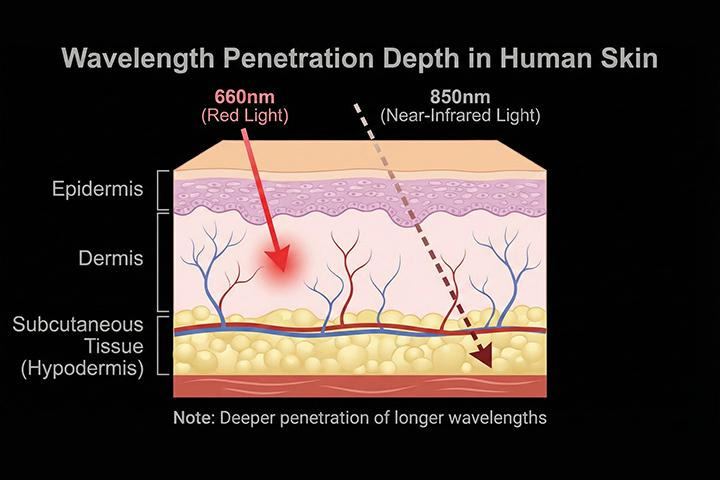
Red light therapy uses a part of the light spectrum, which is between 630 and 890 nanometres.
In simple terms, it’s near the infrared end of visible light.
Unlike sunlight, it doesn’t have UV rays.
It implies it doesn’t cause UV-type skin damage.
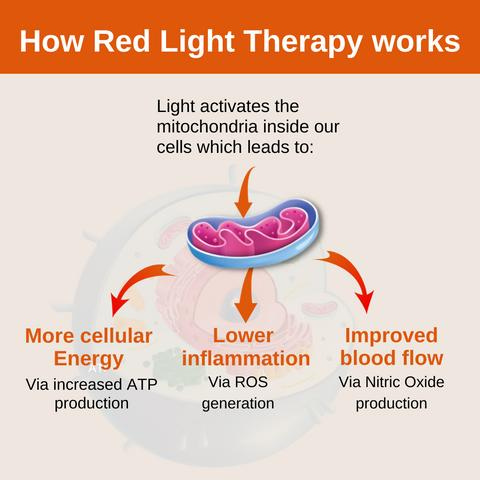
Red light may help cells produce more energy, so that they can repair and function better.
It also helps open up your blood vessels.
This improves blood flow and helps deliver more oxygen and nutrients to the area.
But don’t expect an immediate cure.
Health and wellness enthusiasts recommend that you use it for pain relief, skin repair and hair growth.
In the end, red light therapy has shown some benefits, but many marketing claims have no scientific backing.
Can red light therapy improve sleep and energy?
Research shows that red light supports circadian rhythm, while blue light keeps you alert and disrupts sleep.
Early studies conducted show improvements in sleep quality and mood, although a larger number of human trials are still needed in order to be conclusive.
Some researchers compare these effects to SAD light therapy, although red light therapy is generally milder.
(SAD light therapy uses an ultra-bright light to mimic natural outdoor light.)
Is red light therapy good for brain health?
Research on red light therapy’s effects on brain health is still being investigated.
Early human studies reported improvements in memory, sleep, and behaviour in patients with dementia.
Even laboratory studies suggest red light may help protect brain cells from decline.
The early findings are very impressive and have given hope to many patients.
Red light therapy side effects and safety
Red light therapy does not contain UV rays, so it does not cause the same skin damage linked to UV exposure.
It’s safe for various skin types.
However, some people reported eye irritation and headaches caused by flickering light.
There is minimal research on red light therapy during pregnancy.
It’s recommended that pregnant women speak to their doctors first before using any devices.
Use at home vs clinics
Inexpensive red light devices can be purchased online; they vary widely in strength and quality, which are convenient to use at home.
Some are even a little more than glowing lamps.
Clinics often use stronger medical-grade equipment, but patient sessions can be expensive over time.
Conclusion
Should you try red light therapy or skip it?
As explained earlier, some benefits do exist, provided it’s for specific areas.
So don’t expect a cure just yet for dementia, memory loss and sleeplessness.
However, I am not ruling out anyone from doing a trial with a goal in mind and not just blind hope.